How Do Some Stores Smell So Good? The Power of Scent Marketing
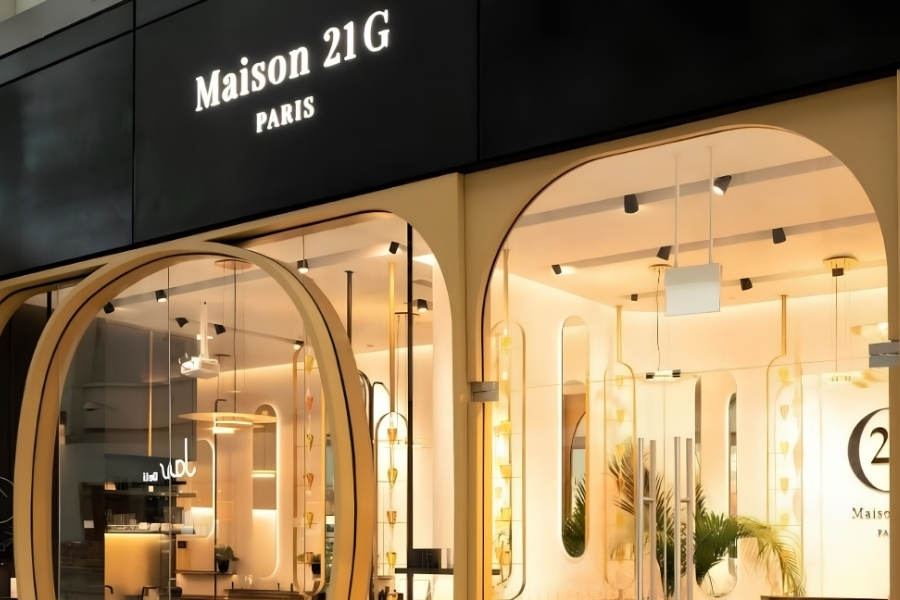
Have you ever wondered how stores always smell so good? The answer lies in scent marketing, which is the use of fragrance to influence customers' behavior and emotions. It's a powerful tool that businesses can use to create a unique and memorable experience for their customers.
Studies have shown that certain scents can increase sales and even attract money. For example, the addictive sweet scent of vanilla has been shown to increase sales in bakeries, while the relaxing scent of lavender can increase sales in bookstores. The scent of peppermint is known to increase alertness and focus, which can help customers feel more engaged with the shopping experience, leading to increased sales. The warm and comforting scent of cinnamon can create a cozy and inviting atmosphere, encouraging customers to spend more time in the store, which can lead to increased sales. Fresh citrus scents, such as lemon and orange, can help boost mood and productivity, creating a positive shopping experience and leading to increased sales. Additionally, lavender, known for its calming and relaxing properties, can help reduce stress, creating a peaceful and tranquil atmosphere that can lead to increased sales. Furthermore, some scents like green tea or Eucalyptus are known to increase the productivity and efficiency of employees, which can be useful in bars or restaurants.
It's not just about increasing sales, though. Scent marketing can also be used to create a sense of brand identity. By using a unique scent in their stores, businesses can create a memorable and recognizable brand experience that sets them apart from their competitors. When it comes to scent marketing, it's important to design a bespoke scent that is appropriate for your business and environment. For example, a spa might use scents that are calming and relaxing, while a gym might use scents that are energizing and invigorating, and a mall may use a welcoming and addictive scent.
So, if you're looking to take your business to the next level, consider the power of scent marketing! In this article, we'll explore the art of fragrance mixing and how you can use it to create custom scents that will help your business thrive.
Why Luxury Brands Invest in Signature Scent Marketing
The world's most memorable luxury brands are not recognised by their logos alone. They are recognised by how they make people feel. Increasingly, fragrance has become an essential part of that emotional architecture. From luxury hotels and flagship boutiques to private clubs, spas and automotive showrooms, leading brands are investing in signature scent marketing to create immersive environments that customers instantly recognise and remember. Unlike visual branding, which customers process consciously, scent works directly with the limbic system — the part of the brain responsible for memory and emotion. This is why a fragrance can transport us back to a place, a moment, or a feeling within seconds. A carefully designed brand fragrance with Maison 21G Paris therefore becomes far more than an ambient scent. It becomes an invisible logo. When customers repeatedly encounter the same fragrance across a store, hotel lobby, spa, packaging and customer touchpoints, they begin to associate that olfactive signature with the brand itself. This is the foundation of successful olfactory branding. At Maison 21G Paris, we create bespoke signature scents for hotels, retail brands, offices, wellness spaces and luxury residences, translating architecture, values and customer experiences into fragrance identities that become as distinctive as the brand's visual identity.
The Power of Scent Marketing for Your Stores

How do stores smell so good? Stores use scent technique to create a pleasant and inviting atmosphere to generate positive emotional response in customers, increasing sales, and building brand loyalty. By using the right fragrance, businesses can create a memorable experience that encourages customers to return. A branded scent that is unique to your brand identity can also help to build your brand recognition. This emotional connection can be particularly important in creating brand loyalty, as customers are more likely to return to a business that makes them feel good. Scent marketing works by selecting a fragrance that matches your brand image, your place and then incorporating it into the store design and marketing materials.
For instance, when it comes to bars, certain scents can have a significant impact on the customer experience and ultimately increase sales. For example, scents that are associated with freshness and cleanliness, such as citrus or mint, can create a refreshing and invigorating atmosphere during the day that can increase customer satisfaction and encourage repeat drinks purchase. Additionally, warm and comforting scents like vanilla or cinnamon in the evening can create a cozy and inviting environment that encourages customers to stay longer and order more cocktails. Bars can also experiment with more niche scents that align with their brand identity, such as smoky scents for whiskey bars or tropical scents for tiki bars at the beach. Ultimately, the key is to select scents that align with your brand identity, the mood you want to give to your place to create a positive emotional response in your customers, leading to increased sales and satisfaction.
Overall, scent marketing is a powerful tool that businesses can use to create a unique brand identity, enhance your customer experience, and increase your sales.
Scents That Increase Sales: The Psychology of Fragrance

The psychology of fragrance is a fascinating area of study that has shown that certain scents can influence consumer behavior and increase sales. Scents that are known to attract customers and increase sales include peppermint, cinnamon, citrus, vanilla, and lavender, among others. How do stores use scent marketing to increase sales and attract money?
What Scent Attracts Money?
There are several scents that are known to attract money and boost sales. These include:
- Peppermint: Peppermint has been shown to increase alertness and focus, which can help customers feel more engaged with the shopping experience. This can lead to increased sales, as customers are more likely to make purchases when they are actively engaged with the products on offer.

- Cinnamon: Cinnamon is often associated with warmth and comfort, which can create a cozy and inviting atmosphere in a store. This can encourage customers to spend more time in the store and browse more products, which can lead to increased sales.

- Vanilla: With its warm, sweet, addictive, and comforting scent, vanilla can help reduce anxiety and promote relaxation. This can create a positive emotional response in customers, which can lead to increased sales.

- Fresh citrus scents, such as lemon, orange, and green tea are known for their energizing and uplifting properties. This can help boost mood and productivity, which can create a positive shopping experience and lead to increased sales.

- Lavender: Known for its calming and relaxing properties, lavender can help reduce stress and create a peaceful and tranquil atmosphere. This can create a positive emotional response in customers, which can lead to increased sales.

How Do Stores Use Scents That Attract Money and Increase Sales?
It's important to note that while these scents may be effective at attracting customers and increasing sales, the effectiveness of scent marketing can vary depending on the type of business and the target audience. It's always a good idea to test different fragrances and see which ones work best for your specific business.
Overall, the psychology of fragrance shows that scents can have a powerful impact on consumer behavior. By choosing the right fragrances and incorporating them into store design and marketing materials, businesses can create a memorable experience that encourages customers to return and build brand loyalty.
The Impact of Scent on Consumer Behavior

The impact of scent on consumer behavior is a fascinating area of study that has shown that certain scents can influence customer behavior and emotions, which can ultimately impact their purchasing decisions. Here are some of the ways that scent can impact consumer behavior:
- Mood Enhancement: Scent can influence mood and emotions, which can impact customer behavior. For example, a calming scent like lavender can help reduce stress and create a peaceful atmosphere, which can encourage customers to spend more time in the store and make more purchases.
- Brand Recognition: Scent can be used as a tool to create a unique brand identity and build brand recognition. By creating a branded scent, businesses can create a sensory experience that is immediately recognizable and helps build brand loyalty.
- Product Perception: Scent can influence customers' perception of a product's quality and value. For example, a fresh and clean scent can create the perception of cleanliness, which can enhance the perceived value of a product.
- Emotional Connection: Scent can be used to create an emotional connection with customers. By using fragrances that evoke positive emotions, businesses can create a memorable experience that encourages customers to return.
- Increased Sales: Studies have shown that scent can have a direct impact on sales. For example, a study conducted by Nike found that customers spent 80% more time in a scented store than in an unscented store. Another study found that customers were more likely to purchase a product if it was presented in a scented environment.
Overall, the impact of scent on consumer behavior is a powerful tool that businesses can use to create a unique brand identity, enhance the customer experience, and increase sales. By choosing the right fragrances and incorporating them into store design and marketing materials, businesses can create a cohesive sensory experience that reinforces the brand image and builds brand loyalty.

Consistency in Your Scent Identity

It is an important aspect of scent marketing. By using a consistent scent across all touchpoints, businesses can create a cohesive sensory experience that reinforces the brand image and builds brand loyalty. Here are some of the reasons why consistency in scent is important:
Consistency in scent can help with brand recognition. By using the same fragrance across all touchpoints, customers can begin to associate that scent with the brand, which can help with brand recognition and recall. It can help create a consistent and positive customer experience. By using the same fragrance in-store, on marketing materials, and even in packaging, businesses can create a sensory experience that is consistent and reinforces the brand image. You can create a sensory experience that is immediately recognizable and helps to build your brand loyalty. By choosing a fragrance that matches your brand image and using it consistently, businesses can create a sensory experience that reinforces your brand image and values. It builds trust and credibility with customers.
By choosing the right fragrance and using it consistently across all touchpoints, businesses can create a sensory experience that reinforces the brand image, builds brand loyalty, and ultimately leads to increased sales and customer satisfaction.
Pioneering Scent Marketing in Your Business and Creating Your Signature Scent

Fragrance creation is a powerful tool for businesses looking to attract customers and increase sales. A unique and signature scent can set your business apart and create a memorable experience for customers, conveying different moods in your shops, hotels or premises. Smell is used in branding because it increases customers’ recognition and loyalty. Maison 21G's expert scent designers take into consideration all aspects of your brand identity to create your brand fragrance that truly represents your values. https://www.maison21g.com/business-scenting/scents-for-business
Choosing and Creating the Right Fragrance for Your Brand and Your Space:

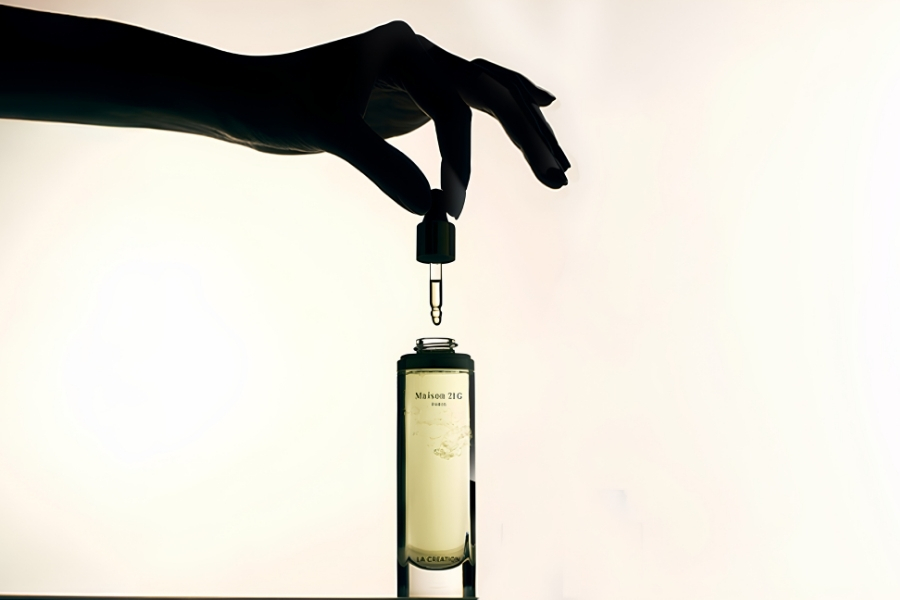
At Maison 21G, we understand that the process of finding and creating your scent identity is very detailed and personalized, as no two brands are the same. That's why our perfume experts will help you to create a unique scent for your brand, making a memorable sensorial experience for your customers. We take into consideration your company history, values, space size, and desired emotional message to translate them into a scent that truly represents your brand identity. By understanding the different fragrance families and experimenting with different combinations, your business can create custom scents that will leave a lasting impression on your customers.
Incorporating Scents Into Your Store Design and Marketing Materials
Whether you are a company to create a unique in-store experience, your fragrance creation can be a powerful tool to help you achieve your goals. By investing in fragrance creation, businesses can differentiate themselves from competitors, create a memorable experience for customers, and ultimately increase sales. Incorporating scents into your store design and using scented marketing materials can be an effective way to create a unique and memorable customer experience. Here are some tips for incorporating scents into your store design and marketing materials:
1. Choose the Right Fragrance: When choosing a fragrance, it's important to consider your brand image and the emotions you want to evoke. For example, a calming scent like lavender might be appropriate for a spa or relaxation-focused business, while a fresh and clean scent might be more appropriate for a retail environment.
2. Use Scent Diffusers: Scent diffusers can be used to spread fragrance throughout your store. Place them strategically in high-traffic areas to ensure that the fragrance is evenly distributed. Our professional diffusers provide the perfect scent intensity for your perfume branding, regardless of your space size. We only provide sustainable and safe scents to your customers and employees. All our scents are created free of preservatives and CMR, and are vegan, containing a high level of natural ingredients. Our quiet and elegant diffusing machines use cold air diffusion to disperse your scent, allowing you to customize the cadence and intensity to optimize your fragrance branding.

3. Create a Consistent Experience: Use the same fragrance consistently across all touchpoints, including in-store, on marketing materials, and even in packaging. This will help create a consistent and memorable sensory experience that reinforces your brand image.

4. Use Scented Marketing Materials: Consider using scented marketing materials, such as scented business cards or scented packaging. This can help create a unique and memorable customer experience that sets your brand apart.
5. Test and Adjust: It's important to test different fragrances and adjust as needed based on customer feedback. Be open to trying new scents and adjusting the intensity of the fragrance to ensure that it is not too overpowering.
Overall, incorporating scents into your store design and marketing materials can be an effective way to create a unique and memorable customer experience. By choosing the right fragrance, using scent diffusers, creating a consistent experience, using scented marketing materials, and testing and adjusting as needed, businesses can create a sensory experience that reinforces the brand image and builds brand loyalty.
In conclusion, scent marketing can be a powerful tool for businesses looking to create a unique and memorable customer experience. By choosing the right fragrance and using it consistently across all touchpoints, businesses can create a sensory experience that reinforces the brand image, builds brand loyalty, and ultimately leads to increased sales and customer satisfaction. Scent marketing can be used in a variety of ways, including incorporating scents into store design, using scent diffusers, using scented marketing materials, and testing and adjusting as needed. Incorporating scent design into your marketing strategy can reap the benefits of a sensory experience that sets them apart from the competition.

Scent Marketing Beyond Retail: Hotels, Offices and Wellness Spaces
Although retail scent marketing is one of the most established applications of fragrance branding, scent marketing today extends far beyond stores. Luxury hotels use signature scents to create memorable arrivals and strengthen guest loyalty. Corporate offices use fragrance to improve wellbeing, productivity and employee experience. Spas and wellness spaces rely on scent to encourage relaxation and emotional reset. Fitness clubs use energising aromatic profiles to increase motivation and performance. Residential developers increasingly integrate ambient scent marketing into show suites and common areas to elevate perceived value and create emotional attachment to spaces. The most successful fragrance strategies we have done at Maison 21G Paris are therefore not designed around products alone, but around the emotions that businesses wish their customers to feel.
Related Articles:
- Corporate gifting: why personalised perfumes and personalised scented objects are the right business gifts
- Honey bee perfume
- Clary sage perfume
- Signature scent and bespoke ancillaries creation for the kimpton hotel, aqeos hainan china
- Tonka bean smell
- Perfume marketing strategies 2026
FAQs:
- Question 1: What scents are proven to increase sales in retail stores?
Answer: We have observed at Maison 21G Paris that several fragrance families have been shown to positively influence customer behaviour and increase dwell time in retail environments. Vanilla and Amber create feelings of warmth, comfort and indulgence, making them particularly effective in food retail and lifestyle environments. Fresh citrus notes such as Bergamot, Ginger, Mandarin and Orange Blossom energise customers and create positive emotional associations. Peppermint improves alertness, focus and engagement, while Green Tea and Sandalwood creates a feeling of cleanliness and relaxation in spas. Ultimately, the most effective retail scent marketing strategy is not selecting a universally popular fragrance, but developing a bespoke scent with a real nose like Maison 21G Paris does, that aligns with your brand identity and customer expectations.
- Question 2: How does fragrance affect customer behavior and purchasing decisions?
Answer: Fragrance influences customer behaviour because scent is processed directly by the limbic system, the area of the brain responsible for emotions and memory. A carefully designed ambient scent design with our nose founder, Johanna Monange, can increase dwell time, reduce perceived waiting times, improve mood, increase product perception, and strengthen emotional attachment to a brand. Our Maison 21G Paris studies have shown that customers spend longer in scented environments and often perceive products and services as being of higher quality when presented within a coherent sensory experience.
- Question 3: Why is scent consistency important in brand identity?
Answer: Consistency is one of the most powerful aspects of successful scent branding. Just as customers recognise a logo, colour palette or musical identity, they can also recognise a fragrance. Using the same signature scent across key touchpoints of a hotel for instance like lobbies, bathroom amenities, retail space creates a consistent sensory experience that strengthens brand recall and loyalty. Over time, this fragrance becomes an invisible signature of the brand itself — a form of olfactory branding that customers remember long after they leave the space. Creating a 360-degree scented experience is the specialty of Maison 21G Paris.
- Question 4: Why do luxury stores smell so good?
Answer: Luxury stores understand that exceptional customer experiences engage far more than sight alone. For us at Maison 21G Paris, fragrance has become an invisible yet powerful part of modern luxury branding, helping to create atmosphere, emotion, and memory from the moment a customer enters the space. Unlike visual elements, scent communicates directly with the emotional and memory centres of the brain, creating immediate and lasting impressions. A carefully designed signature fragrance can make a boutique feel more welcoming, sophisticated, exclusive, or calming depending on the brand's identity. Many of the world's leading fashion houses, jewellery brands, hotels, and automotive showrooms therefore invest in bespoke scent marketing strategies with Maison21G Paris to ensure that their spaces do not simply look luxurious — they smell unforgettable as well. In many cases, customers may not consciously notice the fragrance, but they will remember how the space made them feel.
- Question 5: Can scent marketing increase customer dwell time?
Answer: Yes, numerous of Maison 21G Paris studies have shown that scent marketing can significantly increase customer dwell time and engagement within retail environments. When customers encounter a pleasant and well-designed ambient fragrance, they tend to feel more relaxed, comfortable, and emotionally connected to the environment. This often encourages them to browse for longer periods, explore more products, and interact more deeply with the brand experience. Fragrance can also reduce perceived waiting times and create a more enjoyable atmosphere, particularly in luxury retail environments where experience is often as important as the product itself. The objective of scent marketing at Maison 21G Paris is therefore not simply to make a space smell pleasant, but to create an environment where customers naturally wish to spend more time.
- Question 6: What are the best fragrances for fashion boutiques?
Answer: The ideal fragrance for a fashion boutique according to the nose of Maison 21G Paris, Johanna Monange, depends entirely on the personality of the brand, the clientele, and the emotional atmosphere the store wishes to create. Luxury fashion houses often gravitate towards fresh, sophisticated and elegant notes such as White Tea, Bergamot, Fig, Cashmere Wood, Vetiver, Sandalwood, Amber, to create an atmosphere of refinement and exclusivity. Contemporary younger fashion brands may favour fresher and more energetic compositions built around citrus, fruity, or subtle marine notes with touch of Vanilla to convey modernity and vitality. For premium boutiques seeking warmth and intimacy, soft Orris, Vanilla, Cedarwood, and ambery notes can create a feeling of comfort and sophistication. The most successful retail fragrances are never generic. Instead, they are carefully developed as bespoke signature scents that reflect the identity and values of the brand, becoming an invisible extension of the customer experience and an integral part of the brand's sensory identity.
Find out the scents that suit you best
TAKE SCENT PERSONALITY QUIZ
create your own fragrance
CREATEFind out the scents that suit you best
TAKE SCENT PERSONALITY QUIZ